

Transforming Soils with high salinity can generally be improved in two ways to avoid, partially or totally, the harmful effects of soluble and insoluble salts:
• Remove salts through washing and irrigation drainage. This method is not recommended when insoluble salts are present in the soil and is also very expensive.
• Transform soluble and insoluble salts in the soil into less harmful salts. This method is economical and short-term. Applying soil conditioners such as sulphur, gypsum, lime, and SupaSulfa can achieve this transformation.
Sulphur and gypsum neutralize alkaline soils. Sulphur reacts slowly in the soil, producing sulphates and sulphides naturally over time. This long-term process requires high dosage application rates. Furthermore, gypsum (calcium sulphate) is not a very soluble salt and imparts a slightly acidic character to the solution. High application rates are necessary to achieve appreciable results. Gypsum reacts only with sodium carbonates, not calcium carbonates, so it provides only a partial solution to the problem.
Lime neutralizes acidic soils. However, changing from extreme acidity to alkalinity deteriorates the soil’s ecosystem and has no long-term effect, making the process risky and expensive.
SupaSulfa, with its calcium and ammonium polysulphide complex, neutralizes both acidic and alkaline soils. The application of SupaSulfa is economical and simple. Less SupaSulfa is needed to achieve results in a short time, making this method cost-effective and appropriate.
When SupaSulfa contacts the soil, the sulphur component precipitates in colloidal form, producing sulphurous and sulfuric acids that immediately react with salts in the alkaline soil. This forms harmless salts that can be eliminated by lixiviation with water. (Lixiviation = washing or percolating soluble matter from solid material using a solvent).
SupaSulfa works as follows in Transforming Soils:
The ionic sulphur, when in contact with other ions, precipitates in colloidal form. These precipitated sulphur particles are no larger than 0.01 microns (a hundred thousandth of a millimeter), far smaller than milled sulphur.
This extremely fine particle size allows the sulphur to oxidize in the soil, forming sulphurous and sulfuric acids that immediately react with alkaline salts, such as sodium carbonate (Black alkali), forming sodium sulphide and sulphate. These compounds are less harmful and more soluble, so they can be easily drained from the soil with irrigation or rain.
In many cases, soil contains calcium carbonate, which remains insoluble or unused due to the soil’s high pH.
SupaSulfa transforms limestone into gypsum, initiating the sodium interchange that can be eliminated by lixiviation. As this process occurs, the pH decreases, and the soil loosens, becoming more porous, allowing better water penetration during irrigation, which leads to significant benefits.
Additionally, the sulphur component in SupaSulfa makes salts of phosphorus, calcium, potassium, and minor elements more assimilable by plants, whether these elements occur naturally in the soil or have been applied as fertilizers.
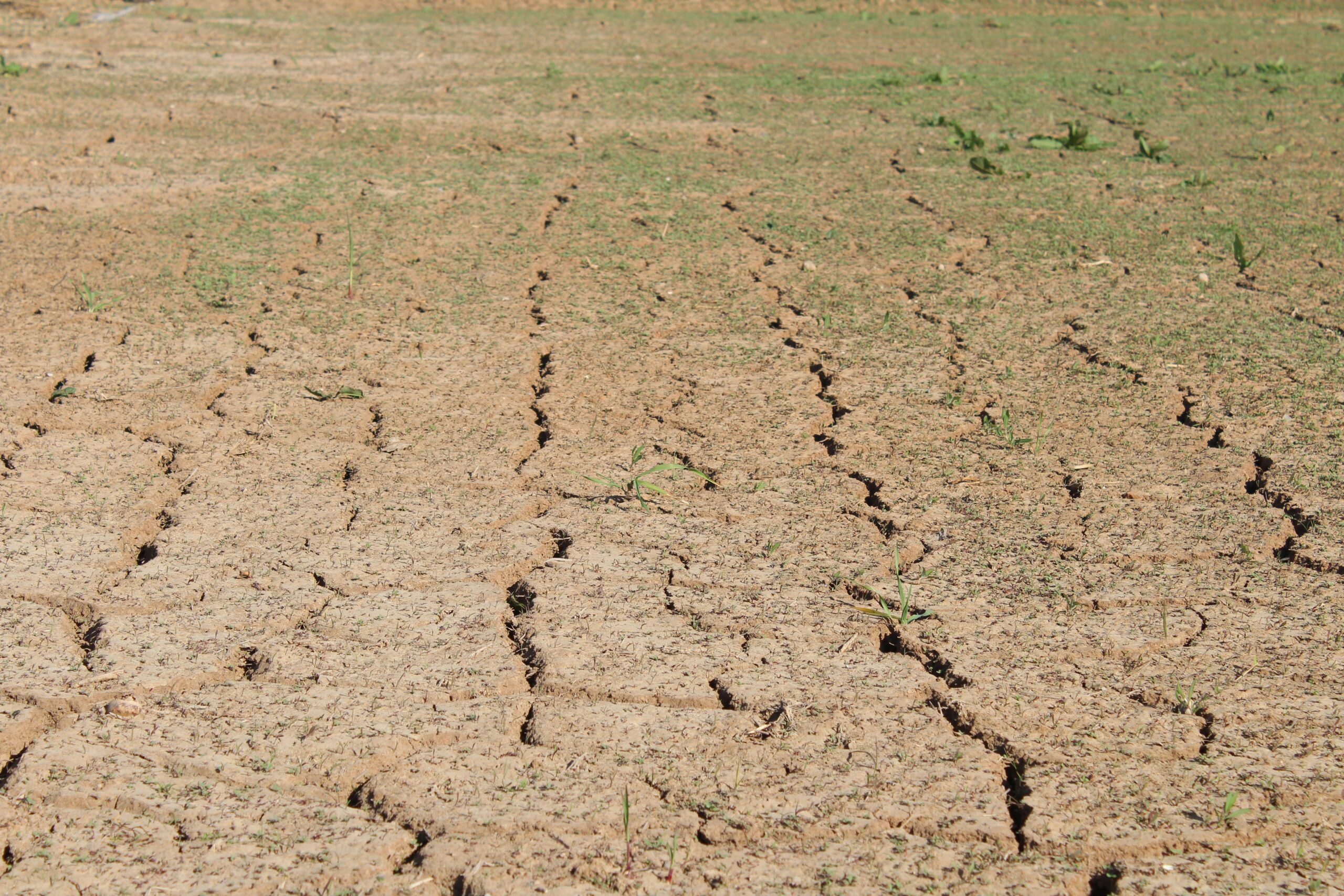
Improving soils with SupaSulfa has proven beneficial in transforming sodic-salty soils
Find Out Why You Should Choose SupaSulfa here: http://biosulphur.co.za/2024/08/20/remarkable-qualities-on-why-you-should-choose-supasulfa/
Or: https://biosulphur.co.za/2024/08/20/what-are-the-applications-of-supasulfa-bio-sulphur/
For Further Information on SupaSulfa/Bio-Sulphur Visit: https://www.koppert.com/veni-biosulfur